
-
Every city has a food economy and most have at least the beginnings of a local food value chain. This means that every city has an opportunity to increase local economic activity, create jobs, and promote healthy, local food by helping local businesses to capture more of this market. Cities should include local food as part of their economic development efforts, and this paper will help them do that. Nationally, the trend is toward local food – cities should take advantage of this.
Document -
The logic of divestment is simple: we shouldn’t be funding our retirement by investing in companies whose operations ensure we won’t have a safe planet to retire on. Local governments have the opportunity to be leaders in combating this contradiction by divesting their funds from fossil fuel companies. MIP in partnership with Bill McKibben and 350.org, is working to support the local government fossil fuel divestment movement. Building on the example set by Mayor McGinn of Seattle, we’re removing municipal funds from fossil fuel investments, and working with pension funds to do the same.
Document -
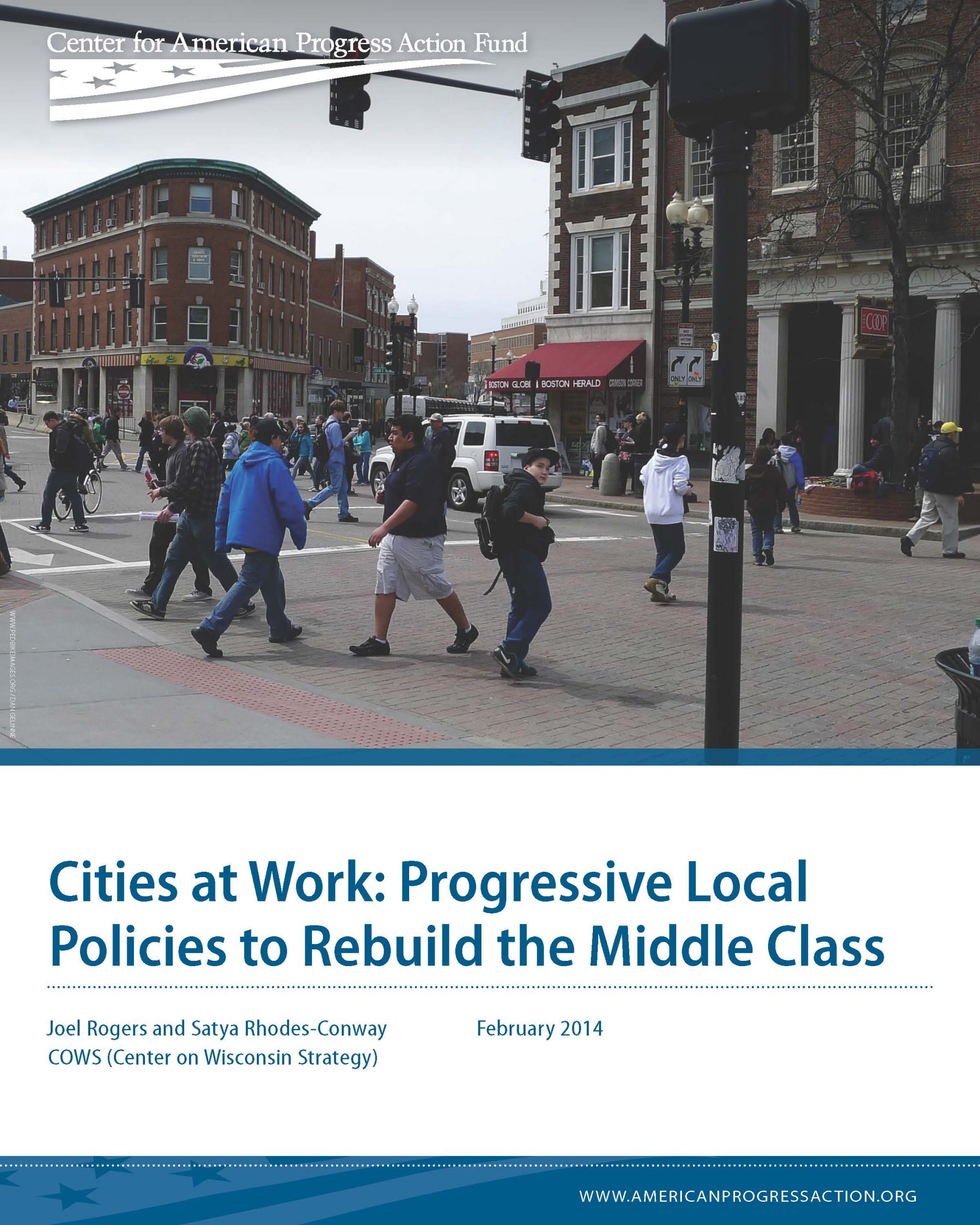
This report is based on the practical experience and struggle of elected officials across the country to move their communities onto the “high road” of shared prosperity, environmental sustainability, and efficient democratic government. Its goal is to arm progressive local elected leaders and advocates with a range of effective policies that, if adopted, would make a significant difference in getting on that high road. They will be able to use better democratic organization to add value, reduce waste, and capture and share locally the great benefits of doing both. Report summary.
Document -
Across the country, urban freeways are at the end of their design lives, and cities are wrestling with the question of how to deal with them. Cities have the opportunity to rethink, remove, or repurpose urban freeway space, which can address environmental and social justice harm and result in significant local economic and social benefits. This report provides cities with best practices and solutions from across the country, to help cities mitigate negative freeway impacts and secure a healthy and more prosperous future.
Document -
Living wage ordinances raise job standards for workers at firms that do business with a city or county or that benefit from taxpayer assistance. At least 140 communities in the U.S. have passed such laws over the past two decades, and there is now a significant body of research on their effect. The evidence shows that living wage ordinances raise wages for low-income workers, often by a significant amount, with few if any measurable negative effects on either employment or taxes. Cities should consider the track record of living wage laws in other communities in order to implement the best living wage law possible. Written and produced by our partner projects, COWS and ALICE.
Document -
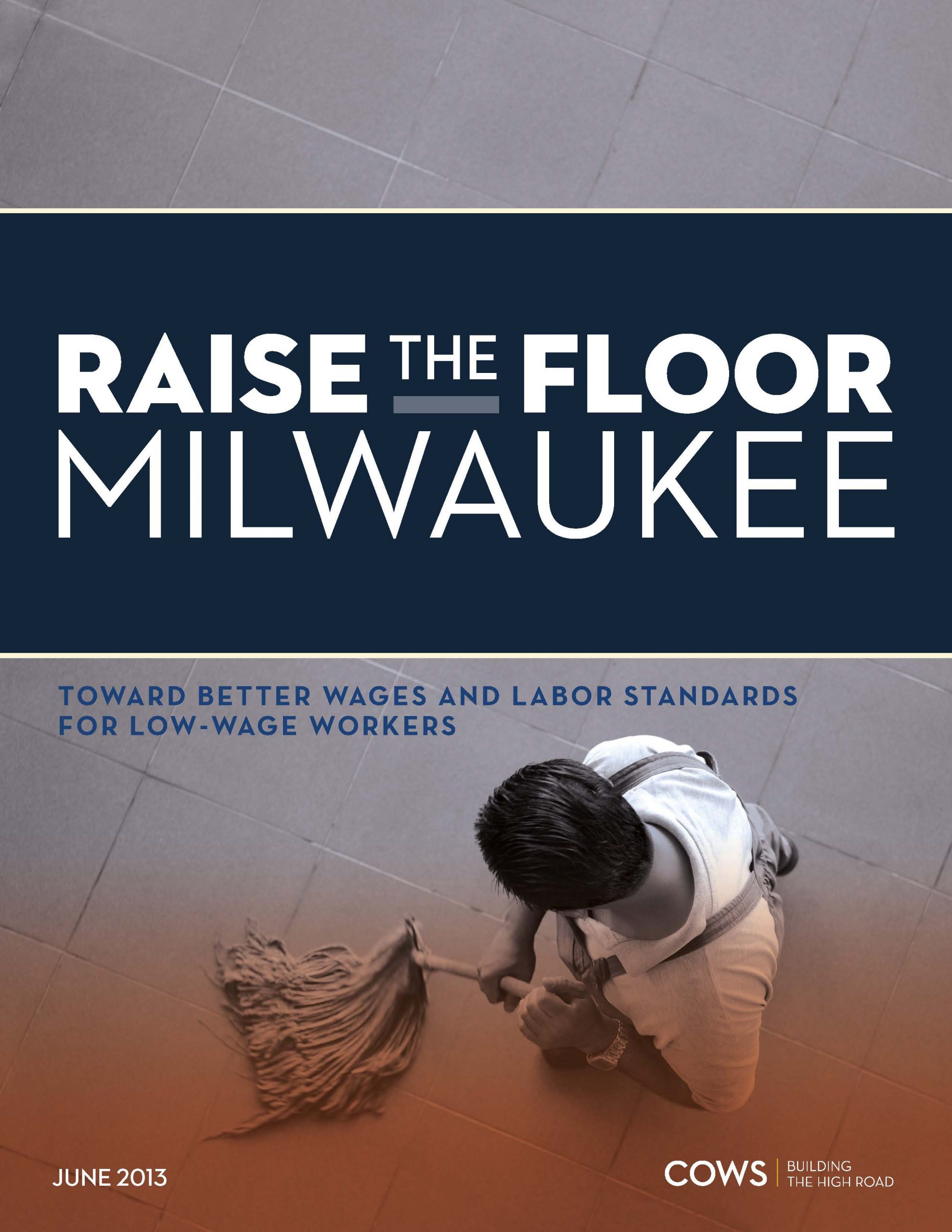
This report highlights how raising the low-wage floor improves quality of life for the 100,000 workers in poverty-wage jobs in the city, and for a roughly equal number of poverty-wage workers in the suburban counties around city. Long term decline was made more brutal by the Great Recession, leaving workers at the mercy of a dramatic shift from manufacturing into services, declining unionization, and falling job quality. Evidence of the economic crisis abounds, yet Milwaukee’s problems — including racial disparity and residential segregation, child poverty, crime and incarceration, catastrophic drop-out rates, especially for African Americans and Hispanics — are not inevitable.
Document -
Inequitable access to food perpetuates poor health outcomes among low-income populations and undermines efforts to improve public health and promote community. The increase in diet-related diseases such as diabetes, obesity, cardiovascular disease, and some cancers have put us on a path to change modern history: many children born today will have a shorter life expectancy than their parents. In addition to nutritional and health impacts, the flow of food dollars out of some regions represents a significant loss for local economies. This policy brief looks at bright spots of innovation, where local policies promote and increase residents’ access to healthy food.
Document -
Governments everywhere are looking for ways to create new, quality jobs, despite restricted budgets. Although many have enacted programs that facilitate energy efficiency retrofits for the residential and commercial sectors, retrofit of public buildings has garnered little policy attention.
Document -
This report aims at helping individuals and organizations advocate for, design, and implement progressive policies toward immigrants at the city level as well as address, with immigrant-friendly, city level policies, the problems that large inflows of immigrants sometimes generate for the communities receiving them. These goals have become particularly important given the recent failures of comprehensive immigration reform initiatives at the federal level.
Document -
What can cities do to improve the quality of jobs? How can cities boost the access of the disadvantaged to the good jobs available in their jurisdictions? Building from policy innovations and experiences from all around the country, we offer here a menu of city policies aimed at improving job quality and redistributing job opportunities in favor of the disadvantaged.
Document
A peer learning network for mayors and city leaders.